Retinopathy of Prematurity (ROP)
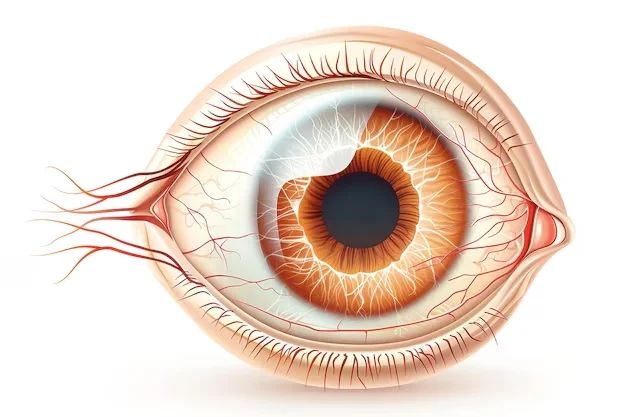
What is Retinopathy of Prematurity (ROP)?
Retinopathy of Prematurity (ROP) is a retinal disorder seen in low-birth-weight premature infants. It may be mild with no visual defects, or it may become aggressive with abnormal new blood vessel formation and progress to retinal detachment and blindness.
Nearly one-third to half of neonates undergoing screening may show some degree of ROP which fortunately regresses on its own in the majority of affected infants. However, in a few infants it progresses to retinal detachment and blindness. Timely screening and treatment of ROP can prevent blindness and minimise visual handicaps.
Risk Factors Associated with ROP
- Prematurity
- Low birth weight
- High exposure to oxygen for prolonged period
- Apnoea
- Sepsis
- Anaemia
- Cardiac defects
- Multiple blood transfusion
- Respiratory distress syndrome
Most Important Risk Factors
Birth weight and gestational age are the most important risk factors for development of severe ROP. Infants with very low birth weight are at significantly higher risk of developing severe ROP that requires treatment.
Similarly, the severity of ROP is inversely proportional to gestational age. This means the earlier the baby is born, the higher the risk of developing ROP. Present evidence shows that low birth weight and gestational age are the most predictive risk factors for the development of ROP.
In general, other risk factors are surrogate markers of sickness in the baby. Therefore, the sicker the baby, the higher is the risk.
Whom to Screen?
Screening should be carried out for infants with either of the following conditions:
- Birth weight less than 2000 gm
- Gestational age less than 34 weeks
- Gestational age between 34–36 weeks with risk factors such as:
- Cardio-respiratory support
- Prolonged oxygen therapy
- Respiratory distress syndrome
- Chronic lung disease
- Fetal haemorrhage
- Blood transfusion
- Neonatal sepsis
- Exchange transfusion
- Intraventricular haemorrhage
- Apnoea
- Poor postnatal weight gain
Infants with an unstable clinical course who are considered high risk by a neonatologist or paediatrician should also be screened.
When to Screen?
- First screening should be done at 4 weeks after birth.
- Infants with gestational age less than 28 weeks or birth weight less than 1200 grams should be screened earlier at 2–3 weeks after birth.
To simplify, most babies should undergo screening at 4 weeks after birth, but very premature or extremely low birth weight babies require earlier screening.
Duration and Frequency of Screening
Follow-up examinations are recommended by the examining ophthalmologist depending on the retinal findings.
In general, screening examinations continue every two weeks until:
- Vascularisation of the retina reaches normal completion
- ROP regresses naturally
- ROP requiring treatment develops
Place of Examination
- Neonatal Intensive Care Unit (NICU)
- Special Care Neonatal Unit (SCNU)
- Ophthalmologist’s clinic for stable infants
Types of Treatment
- Laser Therapy
- Cryotherapy
- Advanced Retinal Surgery
Aim of Treatment
The main aim of treatment is to reduce the incidence of retinal detachment and blindness by early detection and appropriate treatment of ROP.