Family Planning
What is Family Planning/Birth Control?
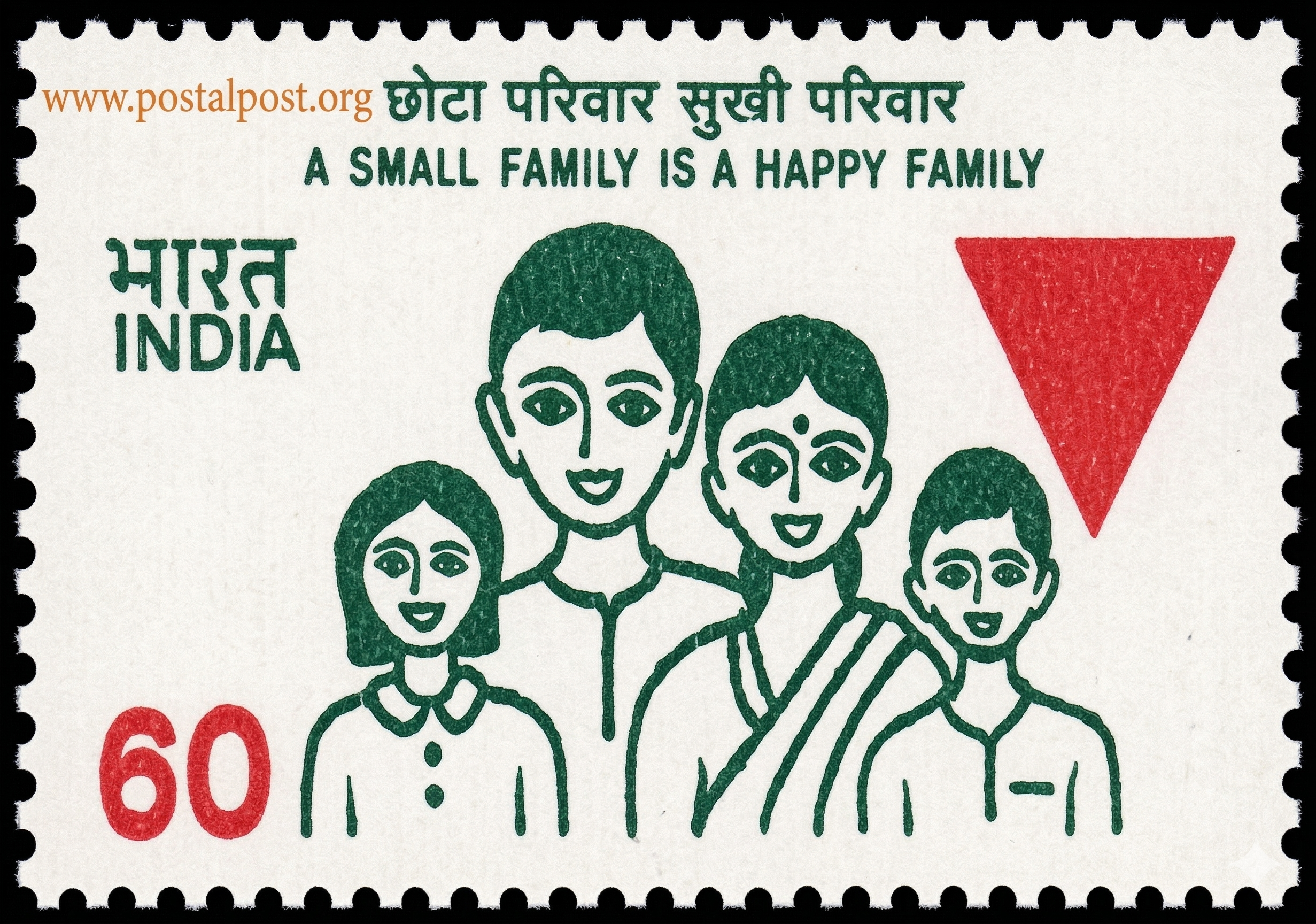
It is a basic human right. It is need of the hour not only at personal level but as a mankind to limit our family size for our future generation to enjoy the life. Research shows that adequate focusing to family planning in countries like India can not only reduce poverty and hunger but also avert 32% of maternal and approximately 10% of childhood death respectively. Investment in family planning is the most intelligent step India can take to overall socio-economic fabric of the society and reap high returns on investment and drive the country’s growth.
What is Contraception?
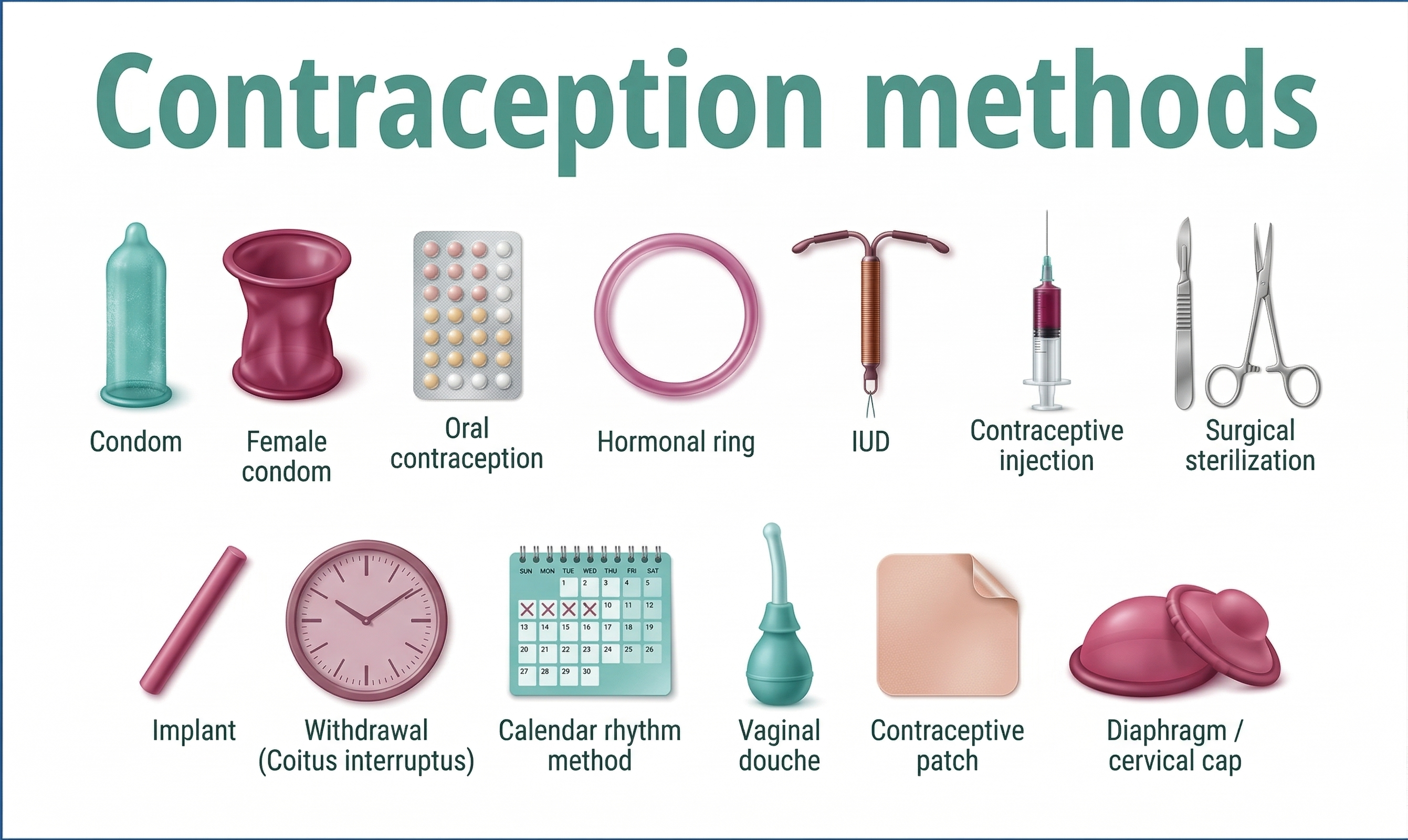
The term contraception means the process to avoid being pregnant due to the intercourse. It includes
1) Temporary and
2) Permanent.
Temporary
These are used to delay pregnancy for birth spacing. Ideally there should be interval of 5 years between pregnancy. A minimum of 2 year is required by a female to replace the iron lost during delivery. Also, a minimum of 2 years a baby should be breastfeed. It is also used by couples who have strong desire for no further child.
A) Barrier Method
This method prevents sperm penetration into the uterine cavity.
1. Mechanical
Male: Condom
- Protects against sexually transmitted disease.
- Suited for infrequent sex.
- Inexpensive.
Female
a) Female Condom (Femidom)
- Protects against sexually transmitted disease and Pelvic inflammatory disease.
- Expensive.
- Multiple use can be done with washing, drying and lubricating.
b) Diaphragm
c) Cervical Cap
2. Chemical
These are spermicidal agents containing surfactants like nonoxynol-9, octoxynol, benzalkonium, menfegol and enzyme inhibiting agents available as cream, jelly and foam tablets.
B) Natural Contraception
I. Calendar / Rhythm Method
The basis behind this is to avoid intercourse around ovulation. The safe period is calculated from the first day of menstrual period until the 10th day of cycles and from 18th to 28th day.
To remember “NO SEX FROM NINE TO NINETEEN” of menstrual period.
II. Withdrawal (Coitus Interruptus)
It requires withdrawal of penis shortly before ejaculation.
- Requires enough self control by male partner.
- Chances of failure is more.
- Precoital prostatic secretion may contain sperm and 1 sperm is enough to change the future.
- Accidental chance of sperm deposition into the vagina and considerable anxiety to both partners.
III) Breastfeeding / Lactational Amenorrhea
When the mother is fully breastfeeding a birth control measure should be used in the 3rd postpartum month and with partial or no breastfeeding in 3rd postpartum week.
C) Contraceptive Devices (IUCD)
It is an effective, reversible and long-term method of contraception. It has a nylon thread attached to its lower end which protrudes through the cervical canal into vagina, where it can be felt by the patient herself or the doctor.
It is of three types:
- Non medicated inert devices: Examples: Lippes’s loop and Saf T-coil.
- Medicated (Bioactive) Copper Carrying Devices: Examples: Copper T 200, Copper T 220, Copper T 380, Nova T, etc. They are effective from 3 to 5 years.
- Hormone Containing IUCD: Progestasert and Levonorgesterol. They are effective for 5 years.
Time of Insertion
It is preferable to withhold insertion for 6 weeks postpartum till the uterus involutes to pre-pregnancy size.
It is recommended to insert 2-3 days after menstrual period is over.
During lactation amenorrhea, it can be inserted immediately following termination of pregnancy by suction, evacuation or D & E or following spontaneous abortion.
It is an Out Patient Department (OPD) procedure and can be done even by a trained paramedics without anaesthesia.
D) Steroidal Contraceptions
1) Combined Oral Contraceptives (COC Pills)
The combined oral steroidal contraceptives are the most effective temporary method of contraception.
In the COC pills the combination commonly used Progestins are either Levonorgestrel or norethisterone or desogestrel.
Estrogens are principally ethinyl esterodiol or mestranol.
How To Use
New users should start their pill pack on day 1 of their cycle. One tablet is taken daily preferably at bed time for consecutive 21 days.
During the first cycle of use, patient should use an additional method to prevent chance of being pregnant.
After 21 days of continuous use, 7 day break should be followed.
Start new pack irrespective of bleeding the next week same day.
Thus, a simple regime of “3 week on and 1 week off” should be religiously followed.
Contraindications
- Circulatory disease (Past or present)
- Thromboembolic disorder (current or past)
- Smoker over 35 years, diabetes
- Migraine
- Women having liver diseases
- Thyroid disease
- Lactating women
- Monilial vaginitis
Consultation with Gynaecologist is must before starting the combined oral contraceptives.
2) Progestin Only Contraception (POP / Mini Pill)
In this there is no estrogen compound and contains low dose of Progestin in any one of the formulations:
- Norethisterone 350mcg
- Desogestrel 75mcg
- Lynestrenol 500mcg
- Norgestrel 30mcg
It has to be taken daily without a break, at the same time.
Strict daily compliance is the main drawback.
3) Injectable Progestins
To overcome the strict daily compliance, depot injection of Progestogens has been prepared.
- DMPA 150mg is given every 3 months.
- DMPA 300mg every 6 months.
- NET-EN 200mg given at 2 monthly interval.
4) Implants
Implants containing various amount of progestogen incorporated into silastic capsules are inserted sub dermally.
- Norplant I
- Norplant II
- Capronor
- Silastic Vaginal Rings
5) Skin Patches
These are hormonal patches applied over buttocks, abdomen but not on breast.
6) Centchroman
Developed by Central Drug Research Institute, Lucknow under the name “Saheli”.
7) Postcoital Contraception
Also known as “Emergency Contraception” needed to prevent pregnancy after unprotected intercourse, condom rupture, missed pill, sexual assault or rape.
- Levonorgestrel tablets
- Mifepristone
- Centchroman
- Copper T (IUCD)
All preparations and methods have pregnancy rate within 0-2%.
Permanent Method
Sterilization is a surgical permanent method done with the purpose of preventing future pregnancy permanently.
I) Male Sterilisation (Vasectomy)
It involves dissecting the vas deferens and disrupting the sperm passage.
II) Female Sterilization (Tubal Ligation)
It is the process of occlusion of the Fallopian tubes.
Timing of Operation
- Postpartum sterilization can be done within the first week.
- Interval sterilization can be done any time after 6 weeks of delivery.
- It can be combined with Caesarean section and Medical Termination of Pregnancy (MTP).